4 hr
Valpolicella Amarone Wine Tour from Verona
Half-day wine journey through Valpolicella with cellar tours, expert-led tastings, and Amarone at two estates
ReserveHand-picked by our editors — only the best 5 experiences from 140 reviewed.
Verified partners for every tour, free cancellation where available, and instant confirmation on every booking.
4 hr
Half-day wine journey through Valpolicella with cellar tours, expert-led tastings, and Amarone at two estates
Reserve
1 hr 30 min
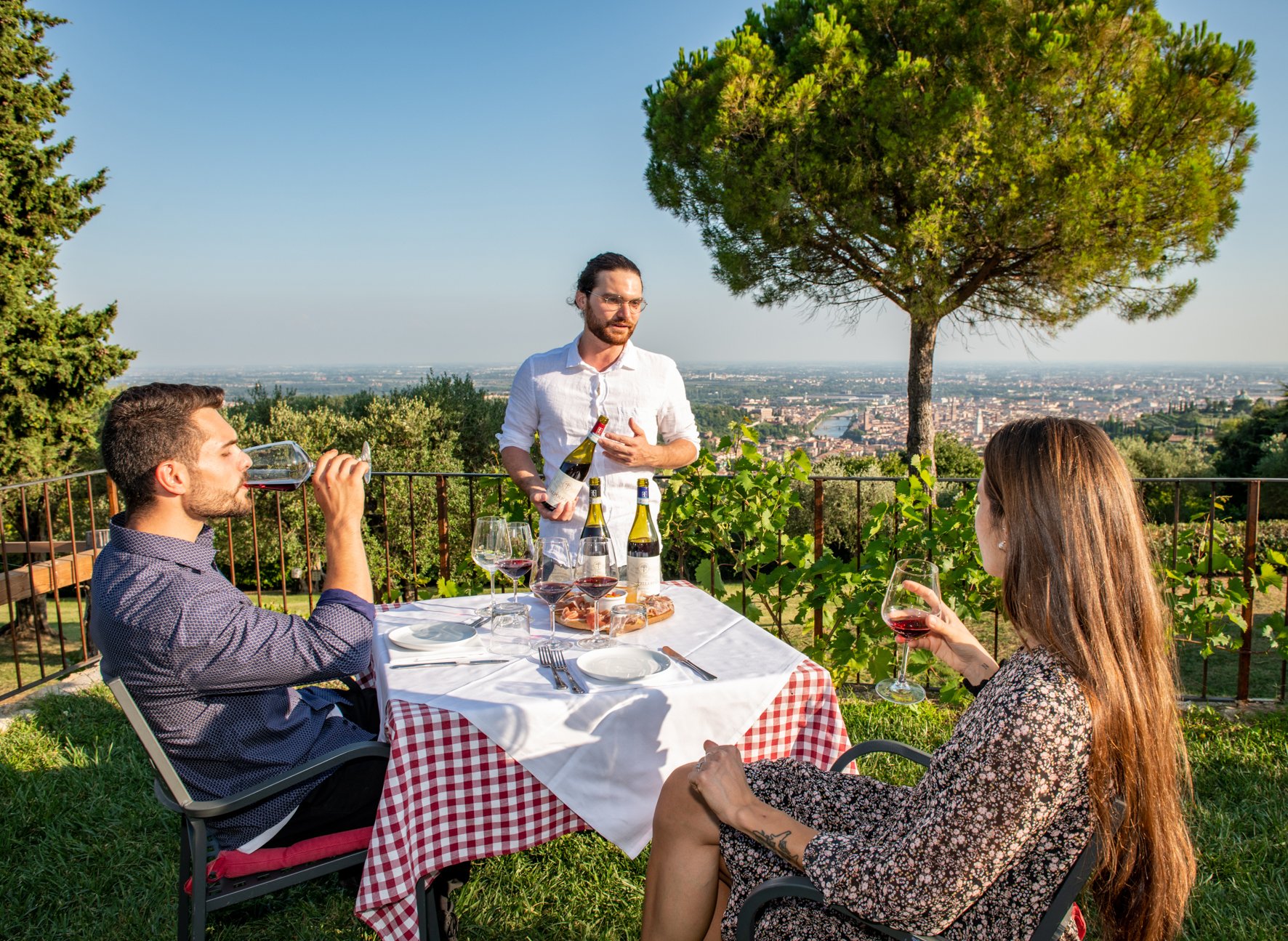
Sample five estate wines paired with local charcuterie on a panoramic terrace overlooking Verona's skyline
Reserve
3 hr 30 min
Journey through legendary vineyards for an intimate tasting of Amarone and three other estate wines
ReservePrices from verified partners. Availability updates in real time at checkout. Free cancellation policies apply where shown.
The landmarks, rooms, and views travelers on this tour remember — all visible on a single visit.
Explore the hillside rows where native Corvina and Rondinella grapes grow. The region benefits from unique microclimates that define the flavor profile of the local vintages.
Visit traditional aging rooms where grapes undergo the drying process. This complex technique, known as appassimento, can last for several months to concentrate sugars.
Experience architecture that has stood for centuries in the province of Verona. Many estates feature stone structures dating back to the medieval era.
Sample various local wines in rooms designed for sensory evaluation. Experts explain the differences between Valpolicella, Ripasso, and the famous Amarone.
Admire the landscape that defines the region of Veneto. These hills provide the perfect slope for drainage and sun exposure vital for viticulture.
Countryside excursions provide an authentic look at the terroir, while central wine bars offer unmatched convenience for casual exploration, making these valpolicella wine tasting from verona tours ideal for different visitor goals.
| Feature | Top pick Valpolicella Estates | Verona Wine Bars |
|---|---|---|
Setting |
Vineyard and cellar landscapes | |
Travel Time |
30–60 minutes each way | |
Variety of Wineries |
Specific producer focus | |
Atmosphere |
Serene and rustic | |
Depth of Knowledge |
High (winemaker direct) | |
Price |
0 EUR entry plus tasting fees | |
| See tickets → |
Verdict: Choose a valpolicella wine tasting from verona tour to walk the vines, or select local wine bars for an efficient, city-based tasting experience with flexible valpolicella wine tasting from verona tickets.
Choose your ticket, select your date, and reserve in under two minutes. Secure checkout handled by our verified partner.
Instant confirmation by email, with a mobile voucher you can save offline. No printing, no queuing at a collection desk.
Arrive at the entrance, show your voucher on your phone, and walk in. Most tickets include priority or skip-the-line access.
Practical details for your visit straight from our verified partners — hours, access, rules, and how to get there.
Piazzale XXV Aprile
Central point for most guided transport
Follow SP6 north from Verona city center. Travel time is approximately 20 to 30 minutes depending on the specific valley.
ATV bus lines provide service, though schedules are limited. Renting a car or booking a guided tour is more efficient.
Smart casual is recommended for visiting wine estates. Comfortable footwear is essential for walking through vineyards and production areas.
Keep personal belongings to a minimum. Most cellars have limited space for large luggage or backpacks.
Photography is generally permitted in vineyards and tasting rooms. Respect privacy if staff are present.
Many historic cellars are located underground with limited elevator access. Contact wineries in advance if you require barrier-free entry for your valpolicella wine tasting from verona.
Mobile phones are permitted for photos. Please remain mindful of noise levels during group sessions.
Some estates welcome children, but valpolicella wine tasting from verona tours focus primarily on adult guests. Verify policies with the specific producer.
Food is provided only if included in your specific tasting package. Drinking water is available at most facilities.
Pets are generally not permitted inside production and barrel rooms. Outdoor spaces may allow leashed animals depending on the estate.
Plan your valpolicella wine tasting from verona around your transport needs, as rural taxi availability varies. Book in advance to secure spots at popular family-run estates.
Best time to go, insider tips, nearby landmarks, and the cancellation fine print — flip through to skim what matters to you.
How crowds, weather, and events shift across the year.
Mild weather and blooming vines make this perfect for outdoor walks.
August offers warm sun and active harvest preparation in the fields.
The grape harvest season is the busiest and most iconic time to visit.
Quiet cellars allow for intimate discussions with winemakers without crowds.
Small details that turn a good visit into a great one.
Many estates require advance reservations for a private valpolicella wine tasting from verona tour.
If traveling by car, ensure one member does not drink during your valpolicella wine tasting from verona experience.
Focus your tasting on Corvina, Corvinone, and Rondinella grapes.
Ask your host if they can ship bottles home to avoid carrying luggage.
Vineyards can be hot in August, so dress in breathable fabrics.
Plan your valpolicella wine tasting from verona tickets for two estates rather than three to enjoy a relaxed pace.
Non-bookable sights within a short walk — free to visit, easy to pair.
A historic fortified bridge located in Verona.
The world-famous Roman amphitheater in the city center.
Offers panoramic views over the historic center of Verona.
Flexible, no hidden fees.
Individual wineries maintain their own terms. Please verify booking conditions as entrance fees are 0 EUR to the region, though specific tastings require per-person fees.
Hand-picked options within walking distance — pick a district for vibe, or a specific hotel for convenience.
Ideal base for reaching regional vineyards via transit or car.
The grapes that make Amarone spend up to 120 days drying on wooden racks before they are ever pressed. That single act of patience — appassimento — defines an entire valley. Valpolicella sits north of Verona, a fan of five parallel valleys running down from the Lessini foothills toward the Adige. Its name is usually read as "valley of many cellars," a translation that is contested by philologists and repeated by everyone else. Rome planted here first. Cassiodorus, secretary to the Ostrogothic king Theoderic, wrote in the sixth century about a local wine called Acinaticum, pressed from raisined grapes and prized at court — a recognisable ancestor of what the valley bottles today. The limestone and basalt terraces were shaped by hand over centuries into marogne, dry-stone walls that hold thin soil against the slope. Corvina, Corvinone, Rondinella and Molinara remain the working grapes. The Classico zone covers Fumane, Marano, Negrar, San Pietro in Cariano and Sant'Ambrogio di Valpolicella, five communes that predate the modern denomination by a thousand years. What draws travellers to a valpolicella wine tasting from verona is partly geology and partly accident. Amarone as a dry wine is a twentieth-century invention, traced to a barrel of Recioto left to ferment past its sweetness at the Cantina Sociale di Negrar in the 1930s; the cellarman is said to have called it amaro — bitter. Recioto della Valpolicella, the sweet original, has DOCG status alongside Amarone. Ripasso, the third path, refires young wine over spent Amarone skins. The architecture is as much a draw as the cellar. Villa Santa Sofia at Pedemonte carries a Palladio design from 1560. San Giorgio di Valpolicella holds a Romanesque pieve with a ciborium dated to the eighth century and a cloister overlooking the whole valley. Fruttai — the drying lofts — are built with cross-ventilation on north-facing walls, an engineering answer to botrytis that predates any thermometer. Marble quarries at Sant'Ambrogio supplied the pink stone of Verona's Arena, three kilometres of hillside feeding a Roman amphitheatre. The region itself charges no entrance fee: 0 EUR, with individual winery tasting fees applying per person. That openness is not sentiment. Valpolicella is a working agricultural landscape of roughly 8,000 hectares under vine, and its cellars are places of production first. Producers here have spent two decades arguing about yields, oak and the temptation to over-dry — a debate that has quietly raised the floor of the whole denomination. Guided Verona wine country day trips now reach growers who once sold everything in bulk. A well-chosen valpolicella wine tasting from verona tour reads the valley as a text: stone, slope, patience, and a wine that was named for its bitterness.
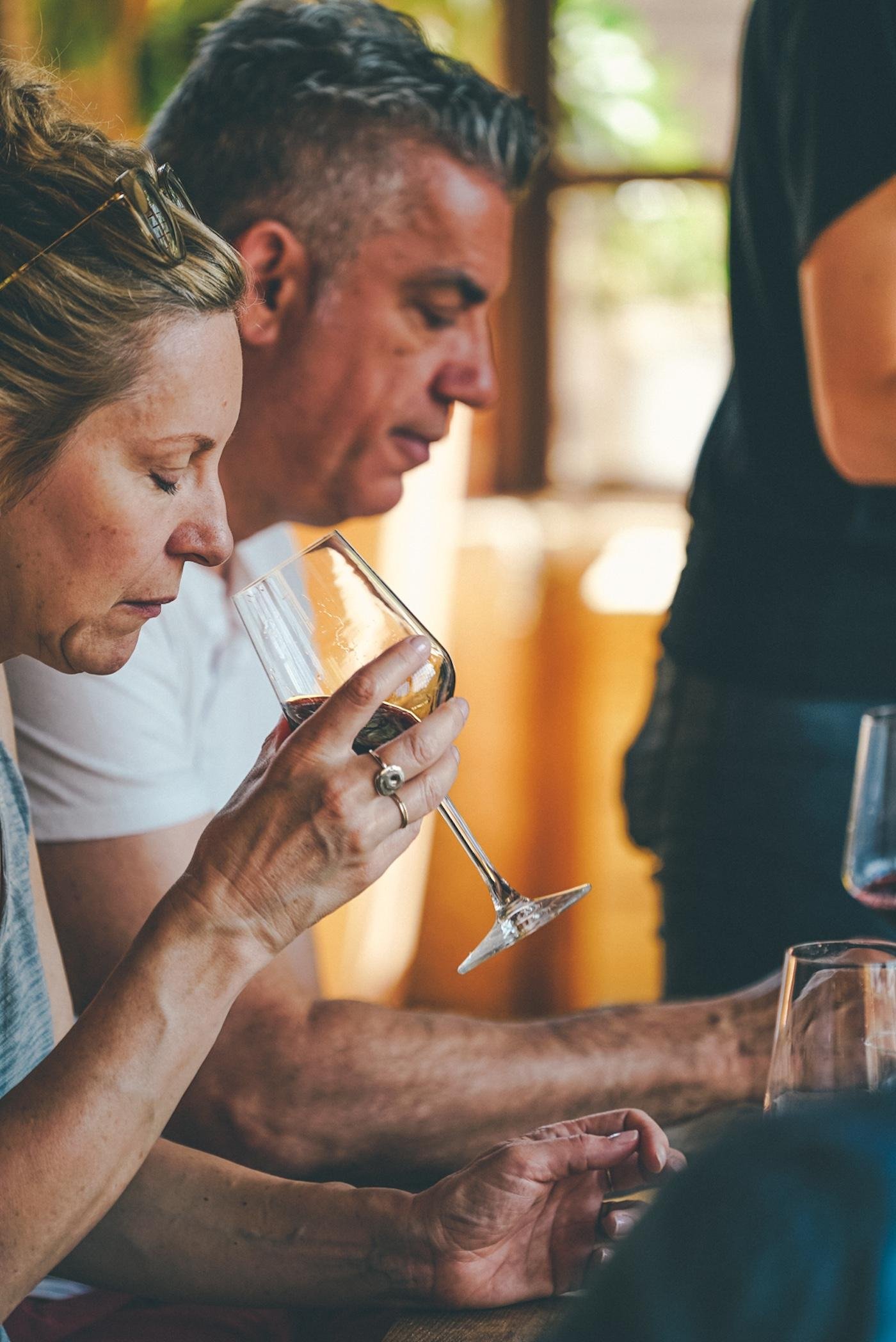
"Amarone begins as an act of patience — 120 days of silence before a single grape is pressed."
A step-by-step walkthrough of the visit — what you'll see, how long each stage takes, and the details that matter.
You leave Verona in the morning, and within twenty minutes the ring roads give way to vine rows climbing at an angle that feels almost architectural. The region keeps no gate and no ticket window — hours run 09:00–18:00 daily, and the recommended arrival window of 09:00–17:00 gives you room for more than one cellar. At the first estate you walk into a fruttaio before you taste anything. The racks are stacked head-high, the air dry and faintly sweet, the sound absorbed by fruit. Someone lifts a bunch of Corvina to show you how far the berries have shrunk. Then the barrel room: Slavonian oak botti, some of them wider than you are tall, chalked with vintages. Tasting happens at a plain wooden table, usually four or five glasses in sequence — Valpolicella Classico, Ripasso, Amarone, sometimes a Recioto poured last. You learn to notice how the same grapes change register across the flight. Bread, a wedge of Monte Veronese, olive oil pressed on the property. The second stop is different by design. Organic growers work lower yields and talk about cover crops; the e-bike itinerary swaps the van for a saddle and takes you along ridge lanes between Negrar and Fumane, past dry-stone marogne and a Romanesque bell tower. By late afternoon on any valpolicella wine tasting from verona, you are back at the Adige with the valley behind you and the taste of dried fruit still holding.
The region is open 09:00–18:00 daily, though individual estate hours may vary.
Most vineyards are historic and have varied accessibility; inquire about your specific tour destination.
Usually no, as tastings are paired with specific offerings or local products.
Yes, booking in advance is essential for all guided valpolicella wine tasting from verona experiences.
Spring and Autumn provide the most comfortable weather for exploring the hills.
Policies vary by estate, so confirm with the producer before bringing children on your tour.
Yes, mobile use is permitted, though please remain respectful during tastings.
A car or a guided tour from Verona is the most reliable way to reach the wine valley.
Cancellation policies depend on the individual provider; check your booking confirmation for details.